Chicago Multifamily Supply Shrinks 50%: Opportunities for GCs
Today’s Daily Dig brings you essential insights into the ever-evolving landscape for small-to-medium general contractors. We’re observing persistent challenges like escalating material costs and a tight labor market, alongside promising developments such as AI-powered permitting and shifts in regional construction demands. Staying informed and adaptable is crucial to navigate these dynamics and ensure your business continues to thrive.
1. Material Costs Still Climbing Due to Tariffs
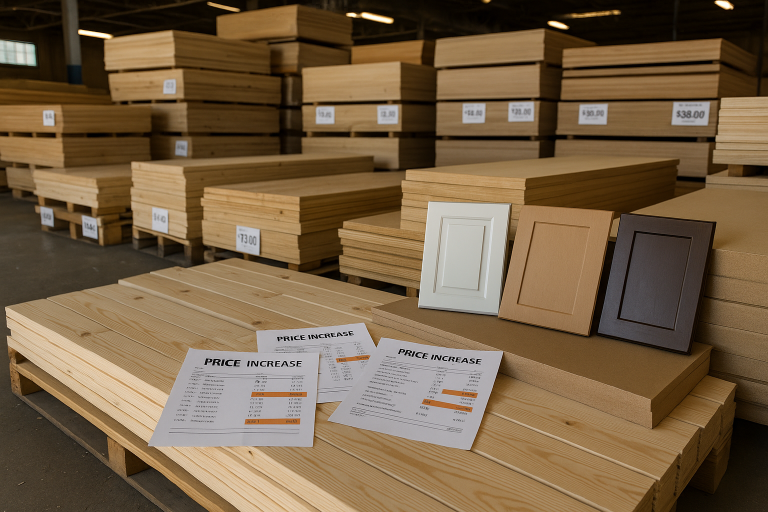
Recent reports indicate that tariffs on key construction materials like steel, lumber, and copper continue to drive up costs for builders. Over 80% of contractors have seen price hikes from suppliers, squeezing profit margins and making it harder to price projects competitively. This trend is expected to continue, adding thousands of dollars to the cost of a typical single-family home.
Why it matters for contractors:
With already tight margins, you need to be proactive. Review your current and upcoming bids to account for these increases. Communicate with clients about potential price volatility and consider adding escalation clauses to your contracts to protect your business from unforeseen cost spikes.
2. Labor Market Shows Signs of Anxiety
A recent spike in construction job openings and layoffs, combined with a drop in workers quitting, suggests growing uncertainty in the labor market. This could be due to a mix of tighter immigration enforcement and uneven project demand. For small GCs, this means finding and retaining skilled labor will likely remain a significant challenge.
Why it matters for contractors:
Focus on what you can control: creating a positive work environment and investing in your current team. Consider offering competitive benefits and training opportunities to attract and keep top talent. Also, start building relationships with trade schools and local workforce development programs to create a pipeline of future employees.
Source: https://www.constructiondive.com/news/construction-dive-august-2025-economic-roundup/759590/
3. AI-Powered Permitting Promises to Speed Up Approvals
The city of Lancaster, California, is partnering with an AI platform to streamline its permitting process, a move that could signal a broader trend. The technology aims to pre-screen submissions, validate them against requirements, and guide applicants, potentially cutting down on the lengthy and often frustrating approval times that plague many construction projects.
Why it matters for contractors:
While this is a local initiative, it highlights the growing role of technology in streamlining administrative tasks. Keep an eye out for similar solutions in your area. Adopting these tools early can give you a competitive edge by reducing project delays and freeing up your time to focus on building.
Source: https://www.constructiondive.com/news/lancaster-adopts-artificial-intelligence-permitting/759680/
4. Chicago Multifamily Market Sees Shrinking Supply
New apartment development in Chicago is expected to drop by nearly 50% in 2025 compared to the last decade’s average. This shortage of new units, combined with market uncertainty, could create opportunities for small GCs. With fewer large-scale projects in the pipeline, there may be increased demand for renovations, additions, and smaller new builds.
Why it matters for contractors:
If you’re in the Chicago area, this is a signal to pivot your marketing and business development efforts. Target homeowners and small developers looking to renovate or expand existing properties. This could be a lucrative niche while the larger market corrects itself.
Source: https://www.bisnow.com/chicago/news/multifamily/bisnow-multifamily-recap-130888
5. Potential OSHA Rule Changes on the Horizon
The Department of Labor has announced its intention to revise several OSHA standards to reduce red tape and support economic growth. While the focus remains on a new Heat Injury and Illness Prevention standard, the agenda also suggests a broader effort to modernize regulations. This could lead to changes in how safety standards are enforced and what is expected of employers on job sites.
Why it matters for contractors:
Stay informed about these potential changes. Proactively review your safety policies and training programs to ensure they are up to date. Engaging with a workplace safety professional now could help you identify and address potential hazards before they become costly violations under any new rules.
Source: https://natlawreview.com/article/dol-unveils-unified-agenda-highlighting-potential-osha-rule-changes
Key Takeaways
Today’s briefing underscores a dynamic environment for small-to-medium general contractors. From navigating rising material costs and a volatile labor market to embracing technological advancements and regional market shifts, proactivity and adaptability are your greatest assets. By staying informed on regulatory changes and continually optimizing your business strategies, you can continue to build a resilient and successful enterprise.