OSHA PPE Requirements: New Fit Rules Hit January 2025
OSHA just made properly fitted construction uniforms mandatory starting January 2025, while fall protection violations continue to dominate citation lists for the 15th straight year. Here are today’s five biggest stories affecting your construction business.
- OSHA Makes Properly Fitted Construction Uniforms Mandatory Starting January 2025
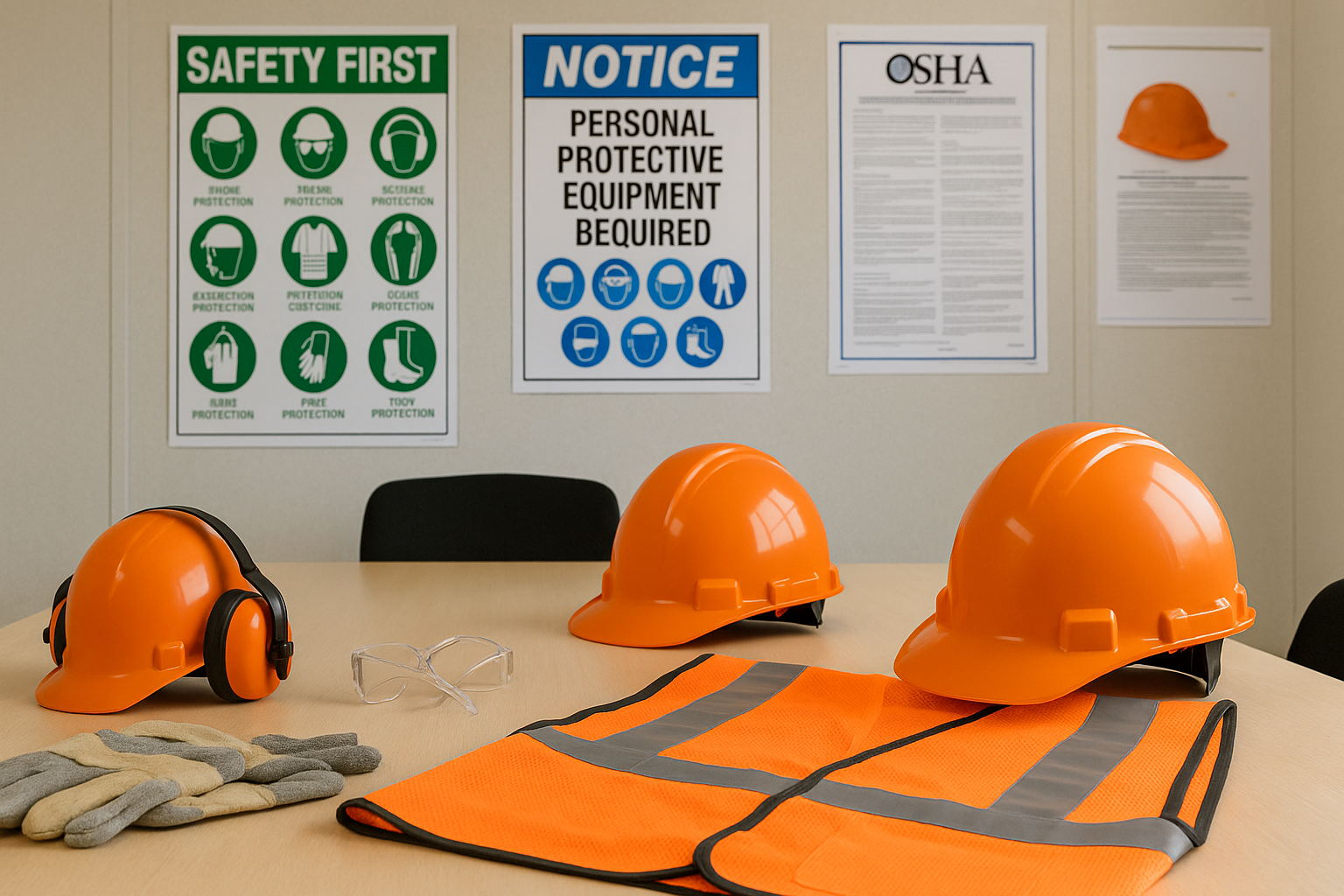
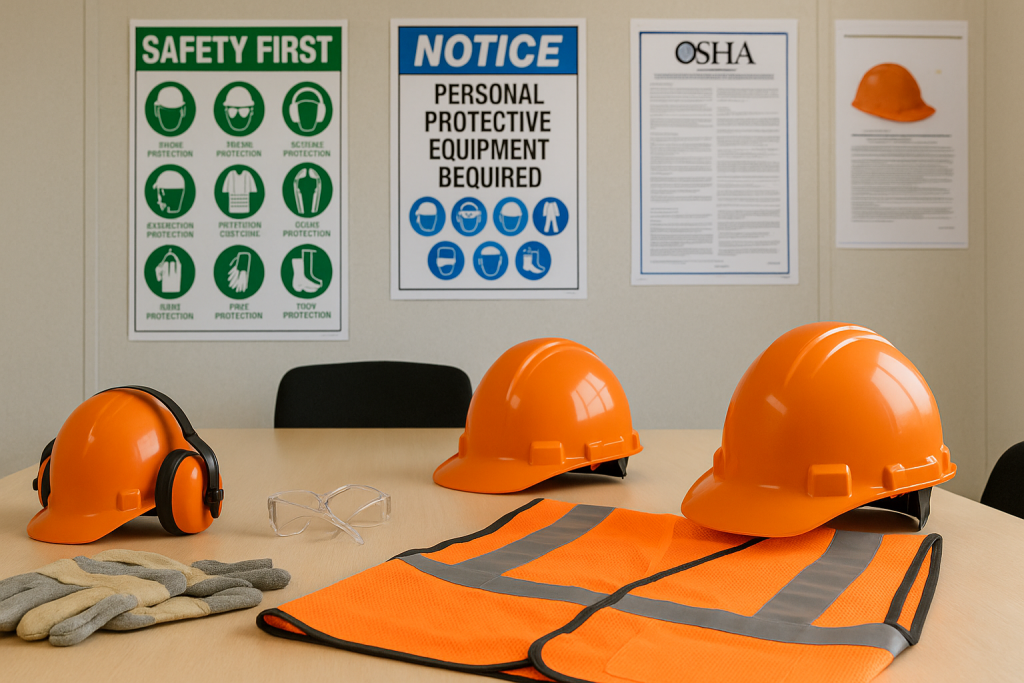
As of January 13, 2025, OSHA’s revised PPE regulations require employers to provide personal protective equipment that properly fits each construction worker. The new rule emphasizes fit as a core safety standard, targeting persistent safety challenges faced by workers with non-standard body types.
Why it matters for contractors: This isn’t just about comfort – ill-fitting PPE can fail to protect workers, get caught in machinery, or discourage consistent use. You need to audit your existing gear, work with suppliers to ensure size ranges, and let workers try on safety equipment before purchase.
- Fall Protection Leads OSHA Citations for 15th Consecutive Year
OSHA has announced its most frequently cited workplace safety standards for fiscal year 2025, with fall protection violations topping the list once again. The agency recorded 5,914 fall protection violations, continuing a trend that has persisted for over a decade.
Why it matters for contractors: This isn’t going away. Fall protection remains the #1 citation because contractors keep cutting corners on basic safety. With OSHA ramping up enforcement, now is the time to invest in proper fall protection systems and training before you become another statistic.
Source: Multiple OSHA enforcement reports and safety publications
- World’s First Hybrid All-Terrain Crane Cuts Fuel Costs by 40%
XCMG unveiled the XCA60_EV, the industry’s first hybrid all-terrain crane, at European exhibitions. The crane features a proprietary oil-electric hybrid drivetrain that reduces fuel consumption and carbon output by up to 40% while maintaining full lifting capacity.
Why it matters for contractors: Fuel costs are killing margins, and this technology could be a game-changer. The 40% fuel savings on a crane that runs all day could significantly impact your bottom line, especially on longer projects where fuel costs add up quickly.
- JCB Expands US Footprint with New Illinois Parts Distribution Center
JCB announced the opening of a new parts distribution center in Illinois, expanding their US operations to better serve contractors with faster parts delivery and improved service support across the Midwest region.
Why it matters for contractors: Equipment downtime costs you money every hour. Having parts distribution closer to your operation means faster repairs and less downtime when your equipment breaks. This is especially critical for smaller contractors who can’t afford backup equipment.
Source: Construction Equipment industry reports
- DoD Finalizes Cybersecurity Rules for Federal Contractors
The Department of Defense issued the final CMMC (Cybersecurity Maturity Model Certification) Procurement Rule on September 10, 2025, making cybersecurity compliance a formal condition for federal contracting work.
Why it matters for contractors: If you do any federal work or subcontract on federal projects, you’ll need to meet these cybersecurity standards to compete. This affects everything from your computer systems to how you handle project data and communications.
Source: https://natlawreview.com/article/comply-compete-dod-finalizes-cmmc-rule-federal-contractors
Conclusion:
The biggest takeaway today is that compliance isn’t optional anymore. Whether it’s OSHA’s new PPE fit requirements, persistent fall protection violations, or cybersecurity rules for federal work, regulators are tightening the screws. The contractors who invest in proper safety systems and compliance now will have a competitive advantage over those who wait until they get cited.